Beyond the Postcard: Finding the Quieter Side of Oman
Posted on 2026-10-16
Category: Travel and Recreation
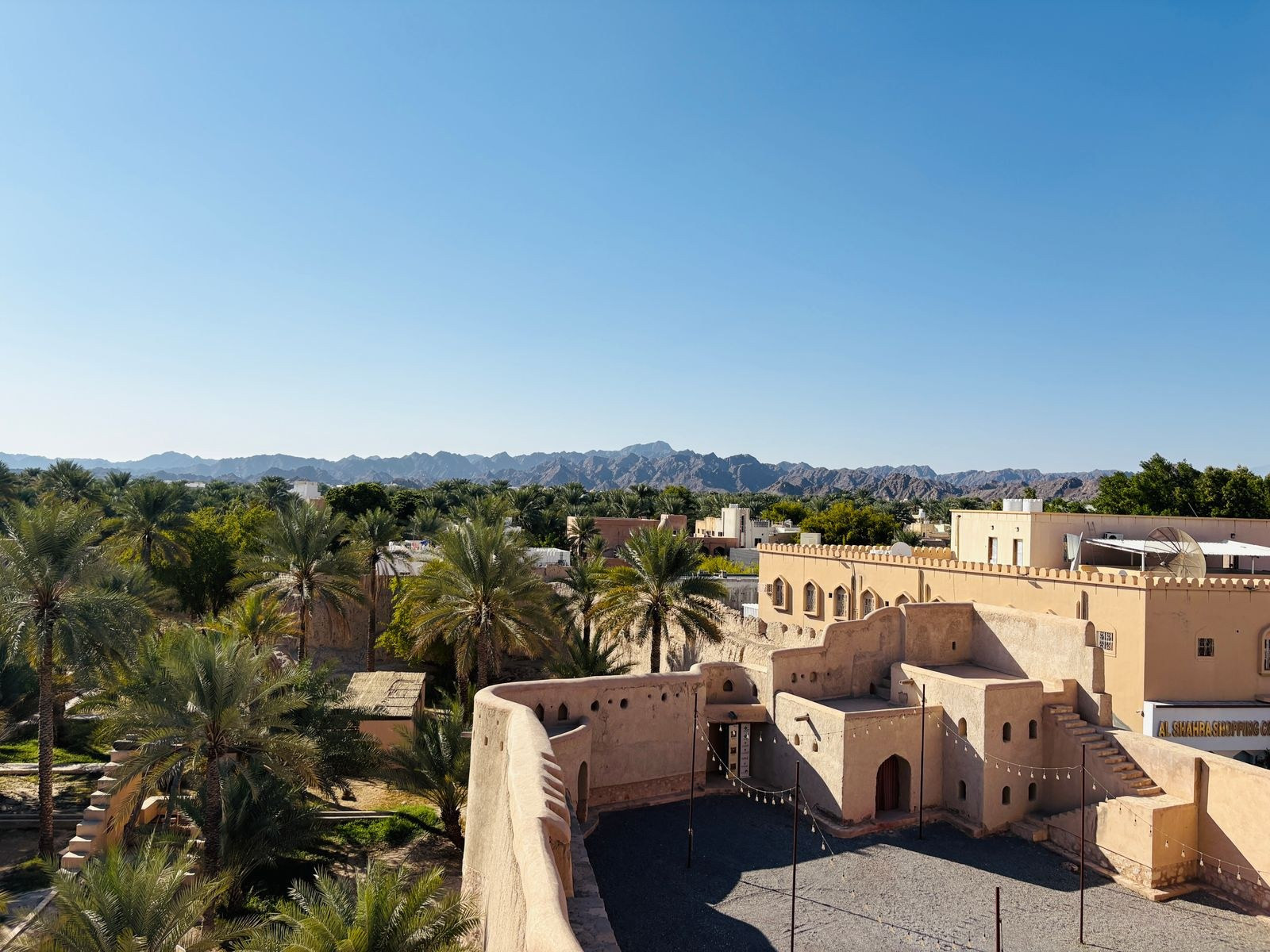
Every destination has a postcard version. In Oman it is the Grand Mosque in Muscat, a line of dunes and a fort at sunset. Those places are worth seeing, and nobody should skip them out of principle. But some of the most memorable moments in the country happen away from the main stops, and they are easier to reach than you might think.
What "off the tourist trail" really means
It does not require a hard expedition. In practice, it comes down to three things: going at a different time of day, visiting places that are a short step away from the headline sights, and having someone local who knows which turn to take.
Travel Oman with that mindset and the whole trip changes. Instead of driving from one famous stop to the next, you build space around them. A fort visit is followed by an hour in the surrounding streets. A viewpoint is visited at dawn instead of noon. The route is the same on a map but different in feel.
Hidden gems are about access
The phrase "hidden gems" is overused, but there is a real point behind it. Wadis, coastal spots and mountain villages exist that are easy to miss without local knowledge, because they are not signposted for visitors or require a particular track. GoTravelOman.com lists hidden gems as one of the pillars of its tours, together with private desert camps and boutique hotels. The idea is that someone with years on the ground can point you to them, rather than leaving you to find them by luck.
Examples of places with a quieter side
- Nizwa: the old fort town is a staple of Oman routes. Visit early and walk beyond the main square to see how local life works around it.
- Jebel Akhdar: known for its green terraces. Short walks between villages give a different feel from the viewpoints.
- Wahiba Sands: the dunes are famous, but a night in a private camp gives a different experience from a quick stop.
- The east coast: wild coastal tracks near Al Khaluf and the Sugar Dunes are on the eighteen-day Grand Oman route and rarely appear in short itineraries.
The role of local experts
A local guide changes the day in small ways. They know where to stop for coffee, which road is better after rain, how to introduce you to a host and when to leave to avoid the heat. English-speaking guides who have worked with international guests for years can explain what you are seeing, which turns a pretty view into something you understand.
Private tours make this easier. With no group to coordinate, a guide can adjust the plan on the spot. If you want to linger at a market, you do. If a track looks interesting, you ask whether it can be done.
Boutique hotels and private camps
Where you sleep sets the tone for everything else. Large resorts have a place, but small hotels with a handful of rooms or a family-run feel often connect you better to the area. Private desert camps, away from the busier sites, offer silence and a night sky that city dwellers rarely see.
Accommodation in tailored Oman trips typically covers a range, from three to five star hotels through to boutique stays and desert camps, matched to your style and budget. If character matters to you more than a long list of facilities, say so at the start of planning.
There is also the question of what you do when you get there. The quieter side of Oman is rarely about ticking a sight off a list. It is the tea you are offered while waiting for a car, the conversation with a driver about his village, the walk where nothing in particular happens. These are not things you can book as such, but a relaxed schedule and a guide who is happy to talk create the conditions for them.
Balancing the famous and the quiet
Skipping the highlights is not the goal. The Sultan Qaboos Grand Mosque, the Royal Opera House, the Balcony Walk at Jebel Shams and a night in the dunes are all strong experiences. A balanced trip includes several of them and adds a handful of lesser-known stops that make it personal.
A simple method:
- Pick two or three must-see places.
- Add two or three places you have never heard of, recommended by someone who knows.
- Leave unscheduled time between them.
A note on pace
Quiet places reward patience. If you rush through, you miss the point. Plan fewer stops per day and allow longer in each.
What to take from it
Oman is a country where the second layer is as good as the first. With a local specialist, a private pace and a willingness to leave a few hours open, the postcard becomes the starting point rather than the whole story.