Snorkeling from the Deck: Underwater Highlights Around St. Martin
Posted on 2026-10-20
Category: Travel and Recreation
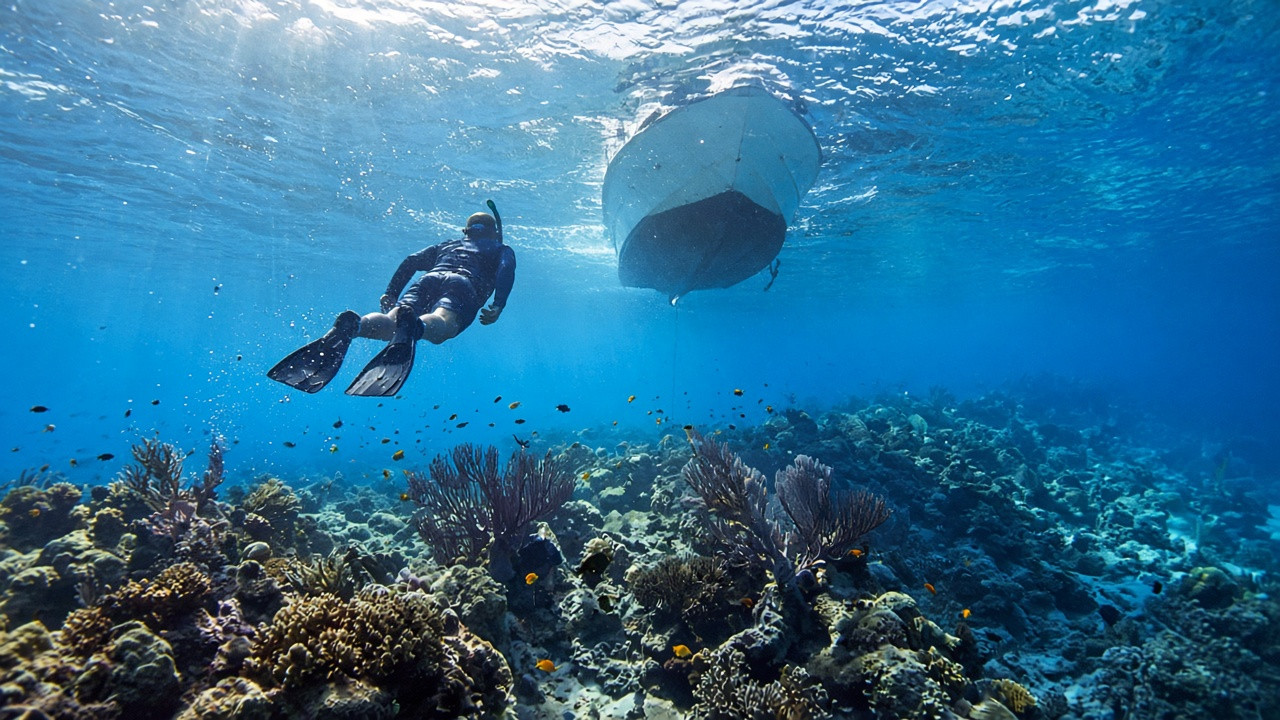
The first time you put your face in the water off St. Martin, the world goes quiet and suddenly very colorful. Schools of small fish flicker past, sea fans sway in the current and, if you are lucky, a turtle glides by without paying you the slightest attention. The island is not famous for dramatic wall dives in the way some Caribbean destinations are, but it offers something many visitors appreciate even more: accessible, relaxed snorkeling in clear water, often just a few strokes from the swim ladder of a boat. This guide explores where to go, how to prepare and how to snorkel in a way that keeps these places healthy.
Why a Boat Makes Snorkeling Better
Many of St. Martin's best snorkel sites sit around small islets, rocky points and offshore reefs. From the shore, reaching them can mean a long swim, a scramble over rocks or a crowded entry point. From a boat, you simply drop anchor or pick up a mooring nearby, gear up on the swim platform and slide into the water exactly where the action is. When you are done, there is a towel, shade and a cold drink waiting.
A boat also gives you flexibility. If one site is cloudy because of the swell, the captain can move to a sheltered spot on the other side of the island. A flexible boat rental st martin with a local skipper can easily combine two or three snorkel stops with a beach lunch in between, which is the ideal rhythm for a day in the water.
Creole Rock
Creole Rock is a small rocky outcrop off the northwest coast near Grand Case, and it is one of the most popular snorkel sites on the island. The rock is surrounded by boulders and patches of coral that attract a variety of reef fish. Visibility is often good on calm days, and the depths around the rock range from shallow to moderate, making it suitable for confident beginners as well as experienced snorkelers. Because it is popular, it can get busy with tour boats around midday, so an early or late visit may be more peaceful.
Tintamarre
Tintamarre, off the east coast, lies within the Reserve Naturelle de Saint-Martin, the protected marine area that covers parts of the northeastern coastline and surrounding waters. The waters around the island have areas of seagrass and reef, and sea turtles are sometimes seen grazing in the seagrass beds. There is also a well-known wreck in the area visited by divers. Snorkeling here feels wild and unhurried, but it is important to follow the reserve's rules, keep a respectful distance from wildlife and never touch or chase turtles.
Ilet Pinel and the Cul-de-Sac Area
Ilet Pinel is best known as a beach destination, but the waters around it offer pleasant snorkeling, especially for beginners and families. The sheltered side is shallow and calm, and there are rocky areas where small fish congregate. It is a perfect place to build confidence before trying more open sites. Nearby, the bay of Cul-de-Sac and the waters around Petite Clef offer additional spots to explore, depending on conditions and the captain's advice.
Little Bay and the Dutch Side
On the Dutch side, Little Bay near Philipsburg has long been a snorkel and dive area, with underwater features that attract marine life. Conditions vary, and the bay can be affected by boat traffic from the nearby port, so it is best visited with a captain who knows the area and can choose the right timing.
Anguilla's Offshore Cays
If your trip includes a crossing to Anguilla, the snorkel opportunities expand. The Prickly Pear Cays, north of the main island, are surrounded by reefs and clear water. Little Bay on Anguilla's western coast is a dramatic small cove backed by cliffs, often visited by boat, with good snorkeling along the rocks. Remember that visiting Anguilla requires customs clearance and passports, so plan this as part of a longer day.
Choosing and Fitting Your Gear
Comfortable gear makes all the difference. A mask should seal on your face without the strap being tight; to test it, place it on your face without the strap, inhale gently through your nose and see whether it stays in place. If it does, it fits. A snorkel with a splash guard or dry top helps keep water out. Fins should be snug but not painful.
Many boats provide snorkel equipment, but if you have a mask that fits you well, it is worth bringing. Anti-fog solution, or the traditional trick of rubbing the inside of the lens with a little baby shampoo and rinsing, prevents the frustration of a fogged mask. Some snorkelers like a flotation vest, which allows you to rest at the surface without effort and is a great idea for less confident swimmers.
Safety in the Water
Listen carefully to the crew's briefing before entering the water. They will point out where to snorkel, where to avoid and how to signal if you need help. Always snorkel with a buddy, and keep an eye on the boat and the other members of your group. Avoid snorkeling in areas with heavy boat traffic, and stay within the area the captain indicates.
Be aware of currents, which can be stronger around points and between islands. If you find yourself drifting, swim calmly across the current rather than directly against it, and signal for assistance if needed. Do not overexert yourself; floating and resting is perfectly fine.
Sun protection matters even underwater. Your back is exposed to the sun the entire time you are face down, so a rash guard is a smart choice. If you use sunscreen, choose a reef-safe formula and apply it well before entering the water so it can absorb.
Snorkeling Responsibly
Coral reefs are living ecosystems, and they are fragile. A few simple habits help protect them. Never stand on coral or rest your fins on the reef. Keep your fins away from the bottom to avoid kicking up sand that can smother coral. Do not touch, feed or chase marine life. Avoid collecting shells or anything else from the water, particularly in the nature reserve. Take any rubbish back to the boat.
Choosing an operator that uses moorings rather than dropping anchor on sensitive areas is another way to make a positive difference. Ask about it when you book; responsible companies are proud to explain their practices.
What You Might See
Without making promises, since the sea always has its own plans, snorkelers around St. Martin often spot colorful reef fish such as parrotfish, sergeant majors and blue tangs, along with sea fans, brain corals and sponges. Rays are occasionally seen gliding over sandy areas, and turtles are a cherished highlight in seagrass zones. Every trip is different, which is part of the fun.
Conclusion
St. Martin is a wonderful place to snorkel, especially when you have a boat to take you straight to the best spots. With comfortable gear, a good briefing and a respectful approach to the reef, you can spend hours floating above coral gardens and seagrass meadows. Choose your sites with your captain, take your time in the water and leave nothing behind but bubbles.